What Clean Books Actually Look Like at Pre-Seed


Here's what Pilot CFOs see constantly: founders raise their pre-seed, build fast, then six months later realize their books are a mess. By then, they don't know their real burn rate, can't trust their runway forecast, and waste weeks cleaning up before their next investor call.
Clean books aren't about being a perfectionist. They're about knowing where you stand so you can make smart decisions about hiring, spending, and when to raise again.
Look, nobody starts a company to become an accountant. But messy books create real problems and you won't notice until it's expensive to fix. Below is what "clean" actually means at the pre-seed stage and why it matters more than founders think.
1. Know what you're actually spending on
The most common issue in messy early books is uncategorized or miscategorized transactions. Clean books show:
- Clear and consistent expense categories
- No large “Other” or “Ask My Accountant” buckets
- No personal charges mixed into business expenses
- No multi-month subscriptions booked all at once
Why it matters: inaccurate categories lead to inaccurate burn. Many founders believe they are burning less than they actually are, which leads to runway miscalculations.
2. Get payroll right (it's your biggest expense)
Payroll is usually the largest pre-seed expense. Clean books reflect:
- Gross wages
- Employer taxes
- Benefits costs
- Contractor payments
- Founder compensation, when applicable (see our Founder Salary Report for guidance on setting your own pay)
These items need to reconcile cleanly with the general ledger.
Why it matters: investors always ask about headcount spend and future hiring plans. If payroll does not reconcile, it raises concerns about financial discipline and planning.
3. Track contractors and vendors consistently, not sporadically
Pre-seed companies often let contractor invoices or vendor bills pile up, which distorts the financial picture. Clean books ensure:
- Contractor payments are recorded on time
- Annual contracts are recognized across the appropriate period
- Prepaid expenses are not inflating one month and disappearing the next
Why it matters: runway forecasting relies on a consistent monthly view of expenses. Lumpy or incomplete records lead to misleading forecasts.
4. Close your books every month, no exceptions
Books should be closed every month. By the first week of the next month, founders should then see:
- Cash balance
- Actual burn
- Variance to expectations
- Any unexpected changes in spend
Why it matters: if the books are not closed monthly, the company is always making decisions based on outdated information. Runway only matters if it is current.
5. Don't let compliance surprises blow up later
Even at pre-seed, you have obligations:
- Payroll filings
- State registrations
- 1099 preparation for contractors
- Sales tax, if you're selling taxable goods or services
- Annual corporate filings in your state of incorporation
Clean books surface these obligations clearly.
Why it matters: hidden liabilities tend to surface during fundraising or diligence, creating unnecessary delays and cleanup work.
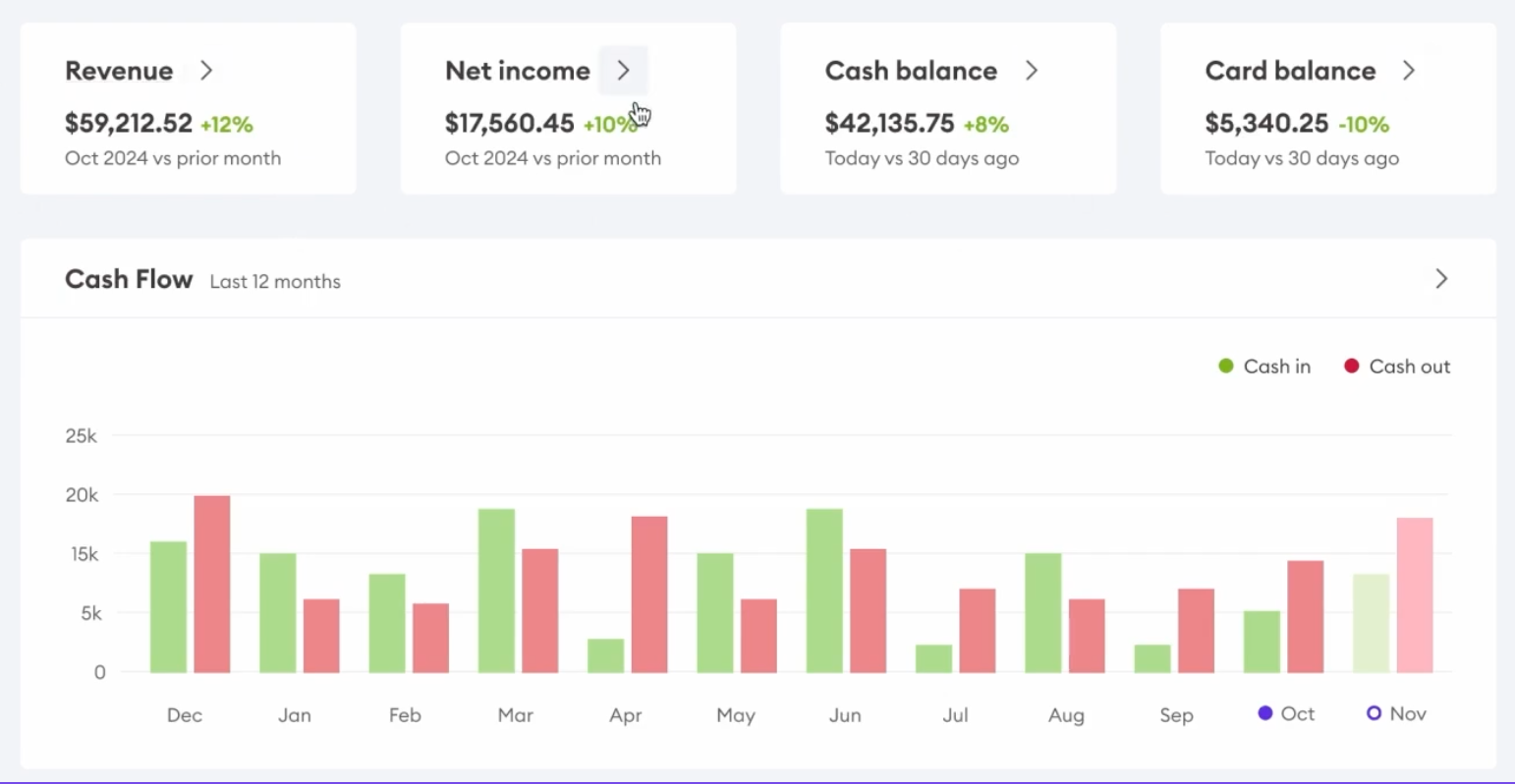
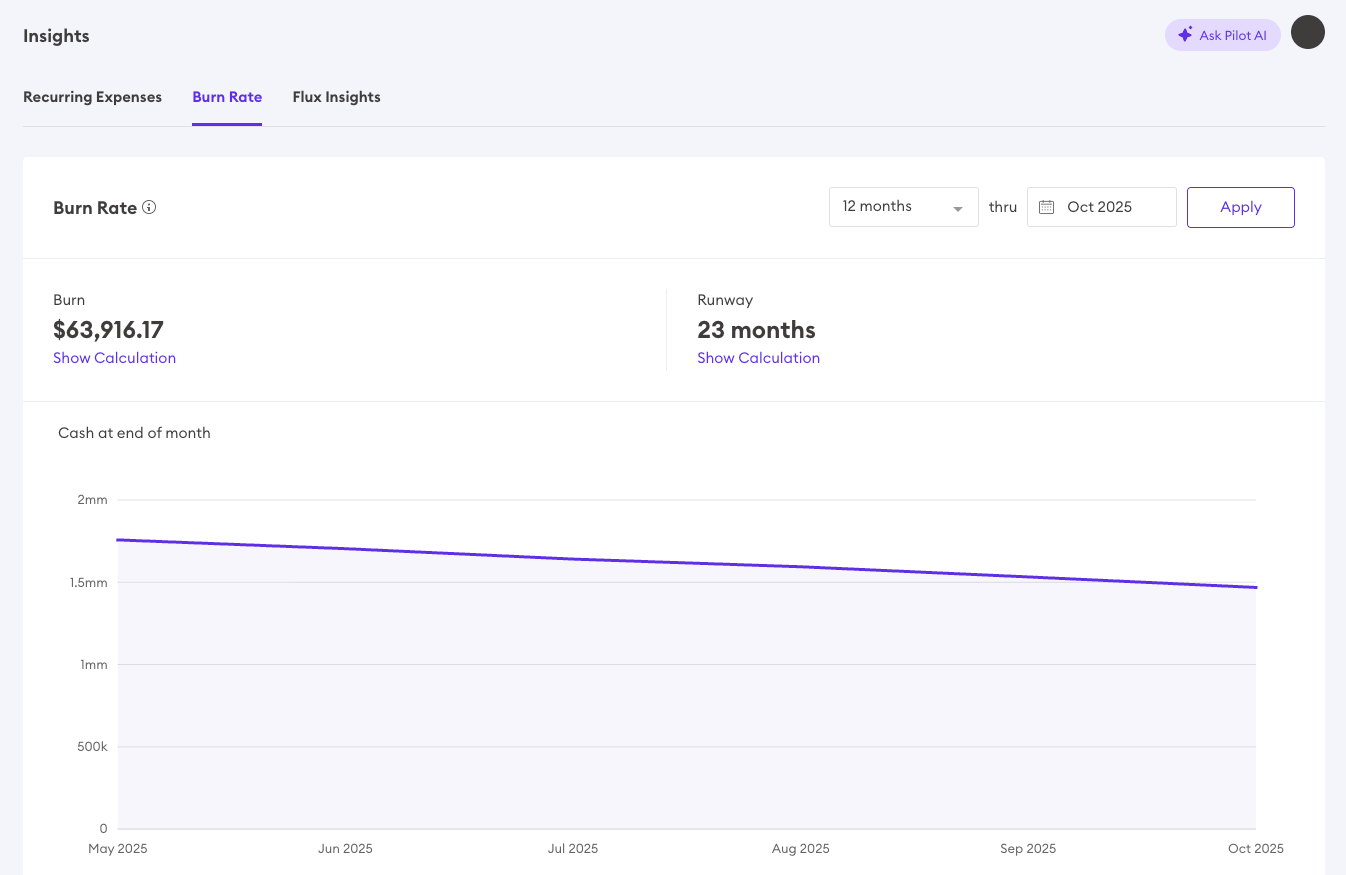
6. Build a simple, accurate view of cash, burn, and runway
When your books are clean, you can see exactly where you stand with:
- Current cash balance
- Actual burn rate from recent months
- Expected runway based on current spending
- What happens if you hire two engineers next quarter
- When you need to start fundraising
This information should be drawn directly from the books, not from guesswork or improvised spreadsheets.
Why it matters: hiring decisions, go-to-market experiments, and fundraising timelines depend on knowing how much time and flexibility the company truly has.
What clean books actually enable
With clean books, you can answer the questions that matter:
Can we afford to hire? Yes, if the math says you'll still have 12+ months of runway after onboarding costs.
Should we delay this vendor contract? Run the numbers. If it pushes you below your comfort zone on cash, wait.
When do we need to start fundraising? If you're burning $50k/month with $400k in the bank, you have eight months. But you should start raising at month four or five to give yourself buffer.
One of our customers, an AI startup called Ethos, had this to say about getting their books handled: "As a small startup, the last thing you want to think about is bookkeeping. With Pilot, I don't have to." Their founder spends 15 minutes per month on finances and has full confidence in the numbers. That's what clean books enable.
The bottom line
Clean books aren't about perfect accounting. They're about making better decisions with the time and money you actually have.
When founders come to us with messy books, the first question is always, "How bad is it?" Usually, it's fixable. But it takes time and focus that could have gone into building product or closing customers.
Start with the basics: categorize everything, close monthly, reconcile payroll, track your burn. If you can trust your numbers, you can trust your decisions.
And if you'd rather hand it off entirely? That's what we're here for.

Miss!