Monthly bookkeeping—For consistent spend insights that help them control supplier costs.
Peace of mind—Tony can relax knowing the finances are handled and they’re compliant.
Cash flow dashboards—In coffee, every 10-cent cup matters. Tony can log in and investigate any expense with a few clicks

Coffee is a creative business and Pilot gives us financial structure that lets me be creative.
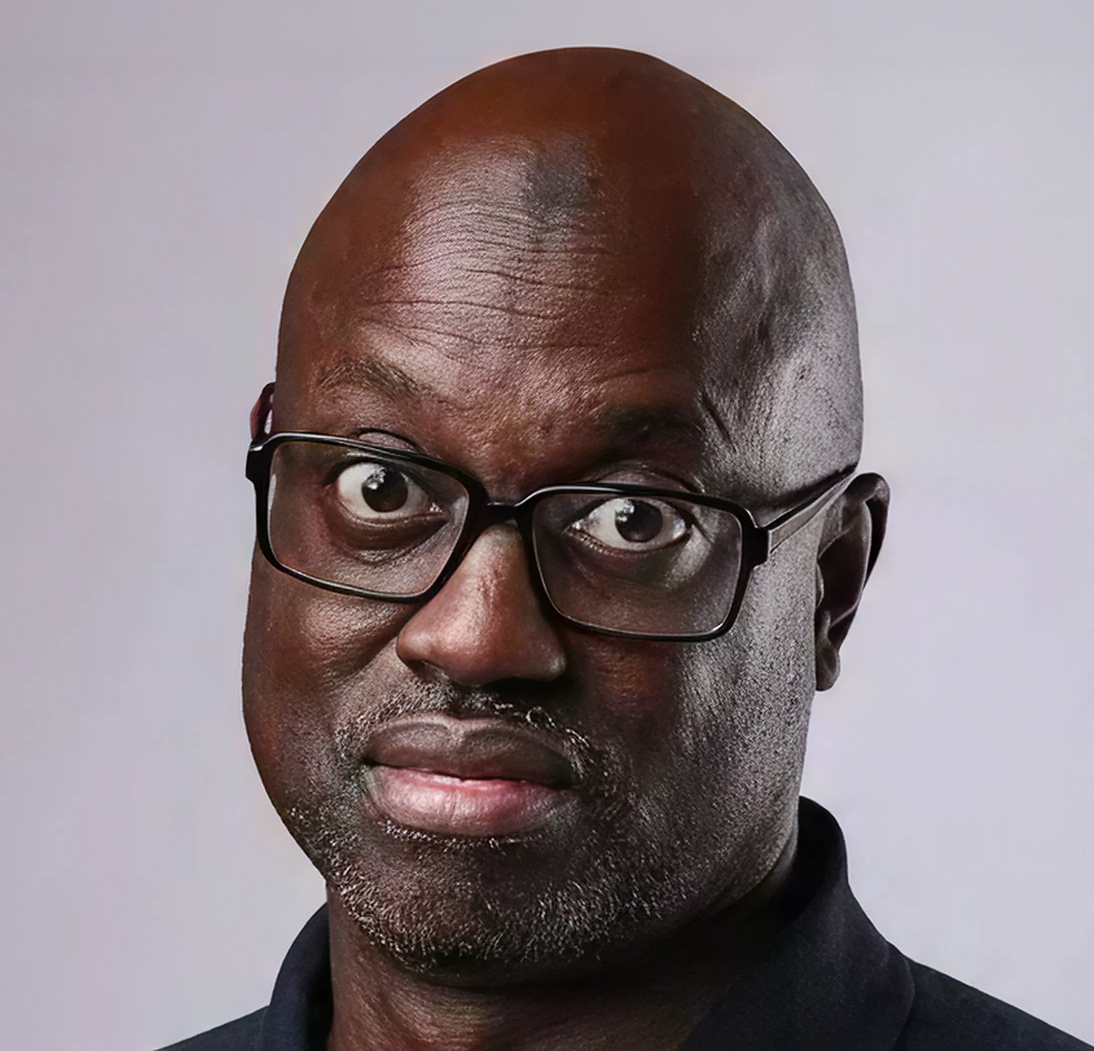
Tony was introduced to specialty coffee while working at Starbucks in the 1990s, when specialty coffees were still their focus; long before the age of Frappucinos. It was an awakening for Tony. The Ethiopian roasts tasted like berries, and the Sulawesian roasts, like butter. That led Tony through a series of jobs and to eventually launch his own coffee business. First wholesale, then storefronts.
Over those years, he’s mastered the coffee trade and learned what remarkable discipline it takes to maintain margins in a commodified, creative field. He knows that coffee is culture and any cafe is reliant on community. He also now knows what he excels at and what to outsource—like back-office finances.
“If you took Pilot away at this point, I’d look for a job at Peet’s,” laughs Tony, in his deep, knowing way. He pauses. “Kidding. But I would hate it.”
Wind back the clock to post-Starbucks and Tony was working at a coffee importer that sent him to Ethiopia to meet farmers. It was a rush of novelty and left him feeling that he’d found his calling. “I was always essentially unemployable because I thought I knew more than my bosses. I decided to stay in Ethiopia and start procurement myself,” says Tony. “That’s how I learned my previous employer was much smarter than I thought.”
Coffee is hard work, all the way to the cup. You must handle 132-pound bags of beans. You get taxed at every port. There’s the trouble of logistics, buying arrangements, and living off the land while trying to procure. Tony figured out that making relationships with farmers was easy compared to finding distribution in the U.S.—coffee is the second-most traded commodity in the world, second only to oil. Buyers are always negotiating and have plenty of alternatives. Even standing in the shop pulling espressos for the morning crowd is hard physical work.
“Coffee business is tough,” says Tony. “On paper, the margins look great. But it’s a lot to navigate. It becomes your life trying to keep those margins and make a profit. Having consistent wholesale. Marketing and sales. All those are things I had to figure out.”
Coffee business is tough. On paper, the margins look great. But it’s a lot to navigate.
Coffee is also unlike other commodities businesses in that it’s so personal.
“Coffee is emotional, creating a great cup of coffee. It’s for creatives. The terroir, it’s a science of heat and air and moisture and bringing out notes—that’s why your coffee shop has an abundance of creative accessories, poetry on the walls, the type of staff,” says Tony. “So if you as an owner jump in with your emotions, the logistics take over your life pretty quickly.”

By 2024, Tony had built a thriving business, Crenshaw Coffee, in Los Angeles, supported by a strong community with seasoned staff. But margins were still a problem. Even after so long, the business still occasionally felt in jeopardy, and Tony was tired. He needed the business to be more stable. They had a local bookkeeper, but that person would only reach out once per year at tax time, and it was always a scramble to get them what they needed or remember how the year had gone.
And paying taxes was always a stretch. “On the retail side, I count every cup—I literally count cups, so I’m not losing 10 cents a sleeve a hundred times a day,” he says. Tony started asking around to other friends who owned businesses, what they do for bookkeeping.
If you as an owner jump in with your emotions, the logistics take over your life pretty quickly.”
A friend referred Tony to Pilot, whose team ran an audit on his historical books. The Pilot team proposed changes to fix Crenshaw Coffee’s chart of accounts in ways that’d provide Tony more insight into all their expense categories. This opened up a lot of insight into what had been eating his margins.
In Tony’s telling, there are plenty of bookkeepers who take ‘the easy route’ in helping small businesses. But all they do is keep that business out of trouble with the IRS. They don’t help a company get ahead. Pilot isn’t like that. Pilot sets up every small business to grow.
For example, Pilot started delivering Crenshaw Coffee’s books monthly. This created an ongoing conversation with Tony about the business that he hadn’t had before. It now provides him a useful check, a sort of recurring report card. This allows him to catch rising expenses early and make better decisions.
I am not a numbers guy and it saves me so much anxiety about our balance sheet and financial statements.
“Pilot lifted the hood on our books and saw that we were wired poorly,” says Tony. “They had the patience to deconstruct and reconstruct our books and it’s been a lifesaver. Total professionals. I am not a numbers guy and it saves me so much anxiety about our balance sheet and financial statements. Their rigorous questioning gives me a reflection of our business. I’m safe now, financially speaking. And as a result, I feel like I’ve gone from just making it up as I go to a strict structure. That means I can get back into my creativity as a coffee person.”
I’m safe now, financially speaking. And as a result, I feel like I’ve gone from just making it up as I go to a strict structure. That means I can get back into my creativity as a coffee person.
.svg)

.svg)
.svg)
Tony was introduced to specialty coffee while working at Starbucks in the 1990s, when specialty coffees were still their focus; long before the age of Frappucinos. It was an awakening for Tony. The Ethiopian roasts tasted like berries, and the Sulawesian roasts, like butter. That led Tony through a series of jobs and to eventually launch his own coffee business. First wholesale, then storefronts.
Over those years, he’s mastered the coffee trade and learned what remarkable discipline it takes to maintain margins in a commodified, creative field. He knows that coffee is culture and any cafe is reliant on community. He also now knows what he excels at and what to outsource—like back-office finances.
“If you took Pilot away at this point, I’d look for a job at Peet’s,” laughs Tony, in his deep, knowing way. He pauses. “Kidding. But I would hate it.”
Wind back the clock to post-Starbucks and Tony was working at a coffee importer that sent him to Ethiopia to meet farmers. It was a rush of novelty and left him feeling that he’d found his calling. “I was always essentially unemployable because I thought I knew more than my bosses. I decided to stay in Ethiopia and start procurement myself,” says Tony. “That’s how I learned my previous employer was much smarter than I thought.”
Coffee is hard work, all the way to the cup. You must handle 132-pound bags of beans. You get taxed at every port. There’s the trouble of logistics, buying arrangements, and living off the land while trying to procure. Tony figured out that making relationships with farmers was easy compared to finding distribution in the U.S.—coffee is the second-most traded commodity in the world, second only to oil. Buyers are always negotiating and have plenty of alternatives. Even standing in the shop pulling espressos for the morning crowd is hard physical work.
“Coffee business is tough,” says Tony. “On paper, the margins look great. But it’s a lot to navigate. It becomes your life trying to keep those margins and make a profit. Having consistent wholesale. Marketing and sales. All those are things I had to figure out.”
Coffee business is tough. On paper, the margins look great. But it’s a lot to navigate.
Coffee is also unlike other commodities businesses in that it’s so personal.
“Coffee is emotional, creating a great cup of coffee. It’s for creatives. The terroir, it’s a science of heat and air and moisture and bringing out notes—that’s why your coffee shop has an abundance of creative accessories, poetry on the walls, the type of staff,” says Tony. “So if you as an owner jump in with your emotions, the logistics take over your life pretty quickly.”
By 2024, Tony had built a thriving business, Crenshaw Coffee, in Los Angeles, supported by a strong community with seasoned staff. But margins were still a problem. Even after so long, the business still occasionally felt in jeopardy, and Tony was tired. He needed the business to be more stable. They had a local bookkeeper, but that person would only reach out once per year at tax time, and it was always a scramble to get them what they needed or remember how the year had gone.
And paying taxes was always a stretch. “On the retail side, I count every cup—I literally count cups, so I’m not losing 10 cents a sleeve a hundred times a day,” he says. Tony started asking around to other friends who owned businesses, what they do for bookkeeping.
If you as an owner jump in with your emotions, the logistics take over your life pretty quickly.”
A friend referred Tony to Pilot, whose team ran an audit on his historical books. The Pilot team proposed changes to fix Crenshaw Coffee’s chart of accounts in ways that’d provide Tony more insight into all their expense categories. This opened up a lot of insight into what had been eating his margins.
In Tony’s telling, there are plenty of bookkeepers who take ‘the easy route’ in helping small businesses. But all they do is keep that business out of trouble with the IRS. They don’t help a company get ahead. Pilot isn’t like that. Pilot sets up every small business to grow.
For example, Pilot started delivering Crenshaw Coffee’s books monthly. This created an ongoing conversation with Tony about the business that he hadn’t had before. It now provides him a useful check, a sort of recurring report card. This allows him to catch rising expenses early and make better decisions.
I am not a numbers guy and it saves me so much anxiety about our balance sheet and financial statements.
“Pilot lifted the hood on our books and saw that we were wired poorly,” says Tony. “They had the patience to deconstruct and reconstruct our books and it’s been a lifesaver. Total professionals. I am not a numbers guy and it saves me so much anxiety about our balance sheet and financial statements. Their rigorous questioning gives me a reflection of our business. I’m safe now, financially speaking. And as a result, I feel like I’ve gone from just making it up as I go to a strict structure. That means I can get back into my creativity as a coffee person.”
I’m safe now, financially speaking. And as a result, I feel like I’ve gone from just making it up as I go to a strict structure. That means I can get back into my creativity as a coffee person.
.svg)